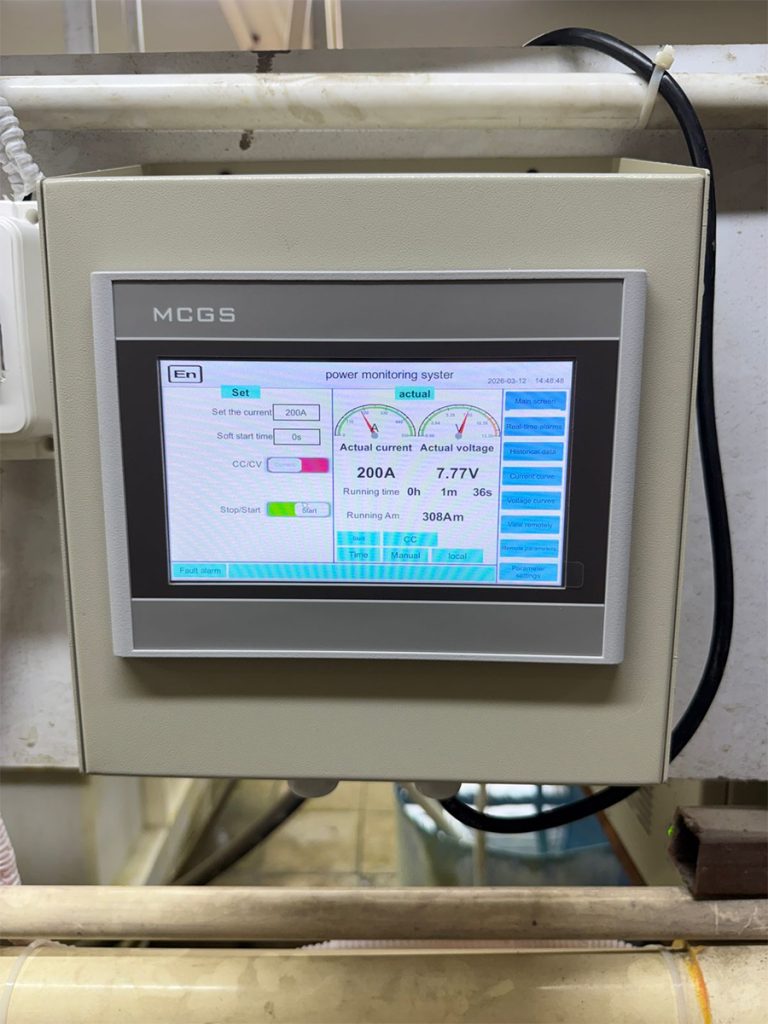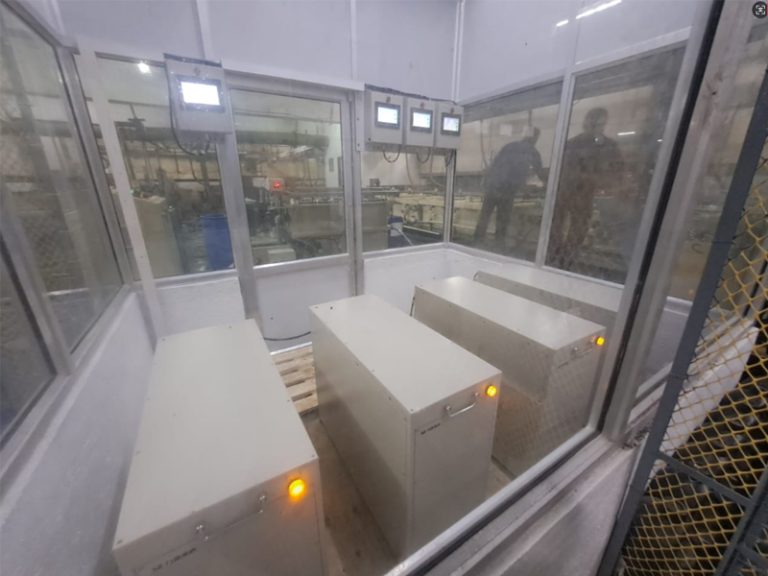

A mid-sized Indian electroplating operation signed off on 12 industrial rectifiers back in December 2025, and by early 2026 they had them running across multiple production lines. Their engineering team has since confirmed that these new units are holding tighter current control, delivering noticeably better stability, and requiring less frequent service intervention than the locally sourced rectifiers that used to run on those same lines. We’ll walk through the specs they settled on, how the installation actually went down, and the performance numbers their guys logged during the first few months of production.

Related Products Used by the Customer in This Application Case
- 1500A 12V IGBT Rectifier for Nickel Electroplating
- 12V 500A Air Cooled Rectifier for Electroplating Line
- 20A 150V IGBT Nickel Plating Rectifier
So, What Exactly Does an Electroplating Rectifier Do, and Why Get Picky About It?
An electroplating rectifier takes AC mains power and converts it into controlled DC—that DC is what drives the metal deposition process for nickel, chromium, zinc, copper, or whatever coating a job calls for. It’s easy to overlook the rectifier as just another piece of support equipment, but its quality reaches into every part of the operation. Coating uniformity depends on ripple and current stability—if those aren’t tight, thickness varies across the rack. Energy efficiency matters more than ever, and the newer IGBT and SMPS topologies are cutting losses by 15–30% versus the old iron-core transformer units that still populate a lot of shops. Process reliability ties directly to stable DC output; when that drifts, you start seeing burned edges, pitting, or adhesion that fails post-plate testing. And operational cost gets hit from two angles—higher efficiency trims the utility bill, and longer intervals between service calls mean less downtime and fewer spare parts sitting in inventory.
What a lot of production managers don’t realize until they run the numbers is that in a high-volume environment, even tightening current stability by just 1% can shave a meaningful chunk off material waste and reject rates across a full year.
What They Were Up Against: Finding Something That Actually Beat the Local Options
India’s electroplating sector has been on a solid growth run—automotive, electronics, hardware, decorative finishing, you name it. But the local rectifier suppliers servicing this market come with some recurring problems that anyone who’s run a plating line knows all too well. Ripple often exceeds 5%, which throws coating thickness off from one rack to the next. Voltage regulation tends to get shaky when the load changes—especially during bath loading and unloading, when the current draw shifts abruptly. After-sales support is thin on the ground; getting a technician out or tracking down a specific spare part can take days, and that’s downtime nobody wants. And a lot of local offerings still lean on older transformer-based designs, so energy consumption is higher than it should be.
This client—an operation with several production lines, big enough to have a proper engineering team on staff—had already been through all of that with their previous local equipment. By late 2025, they’d kicked off the formal procurement process to upgrade 12 plating lines with something that could deliver real industrial-grade precision without blowing the total cost of ownership out of proportion.
Where These Units Pull Ahead of What’s Available Locally
IGBT Switching Instead of Old-School Transformer Rectifiers
A lot of the rectifiers you still see on shop floors in India are conventional transformer-rectifier types—bulky, slow to respond, and not particularly efficient. These new units use high-frequency IGBT switching, and the differences showed up immediately during commissioning. Response to load shifts is much faster, so the bath current doesn’t dip or spike when parts go in or come out. The whole package is more compact—they actually freed up some floor space on each line, which wasn’t a primary goal but turned out to be a nice bonus. Conversion efficiency came in above 90%, which their engineering team verified independently with their own clamp meters during the initial power-up tests. And heat dissipation is significantly lower, so the cooling fans aren’t running at full tilt all shift long, and the area around the rectifier racks stays noticeably cooler.
Closed-Loop Digital Control with PID
The control architecture is built around a microprocessor running closed-loop PID regulation. For the operators on the floor, that means current and voltage self-adjust in real time without someone standing there tweaking knobs every time a new rack goes in. They can also program ramp-up and ramp-down profiles to suit different bath chemistries and part geometries—especially useful when they’re switching between decorative chrome and functional hard chrome jobs. The onboard data logging has been another practical benefit; they’re pulling records for internal quality audits and can show customers a documented process trail when asked.
Designed to Survive Indian Shop Floor Conditions
If you’ve spent any time inside an Indian electroplating facility, you know the environment is brutal on electronics—high ambient temperatures, humidity that never seems to drop, and corrosive fumes hanging in the air. These rectifiers were spec’d with that in mind. IP54 enclosures with anti-corrosion coating are standard. The thermal management system is intelligent and includes redundant cooling—if one fan fails, the other ramps up automatically, which gave their maintenance team one less thing to worry about during night shifts. And the control boards are sealed against vapor ingress, a specific concern they flagged early in the discussions.
Remote Monitoring via Modbus
RS-485 with Modbus RTU comes built into these units, so they tied them straight into the factory’s existing SCADA system. From the office, they can now pull live production data without walking the floor. More importantly, the system generates predictive maintenance alerts—things like temperature creep or output drift that might otherwise go unnoticed until a batch gets rejected. And our technical team can run remote diagnostics when something looks off, which has saved a couple of site visits already.
Frequently Asked Questions (FAQ)
What kind of ROI do shops typically see when moving from a local rectifier to a higher-efficiency unit?
Across the facilities we’ve worked with, payback usually lands somewhere between 12 and 18 months. The savings stack up from three places: energy consumption drops 15–20%, rework rates come down 10–25% because the coating is more consistent, and maintenance intervals stretch out because there’s less thermal stress on components. The actual window depends on shift hours and local electricity rates, but we haven’t seen a case yet where it stretched beyond two years.
How long is the standard warranty on these industrial electroplating rectifiers?
12 months from commissioning, which is pretty standard for this class of equipment.
Will these rectifiers hold up in Indian summer heat?
Yes—with standard forced-air cooling, they’re rated for ambient temperatures up to 45°C. For facilities that regularly see higher than that—and we’ve worked with a few—there are enhanced cooling packages and tropical-grade component upgrades available.
Which communication protocols are supported for tying into factory systems?
Out of the box, they ship with RS-485 and Modbus RTU. If a facility runs on Profibus or Ethernet/IP instead, those are available as optional add-ons—just need to specify at order time.
Why does output ripple matter so much for plating quality?
If ripple climbs above 3%, it disrupts how ions deposit across the part surface. That translates into thickness variation from one side of a rack to the other, weak adhesion in random spots, and higher porosity in the finished coating. These units hold ripple below 1%, which their quality team has already confirmed shows up as a measurable drop in rejects per shift.
Ready to upgrade your electroplating rectifiers?
Get in touch with our engineering team for a no-cost technical consultation and a customized spec sheet built around your specific lines and production mix.
How to Get Your Electroplating Rectifier Quote – Have These Ready
- Input power (voltage, phase)
- Output requirements (voltage, current, power rating)
- Rectifier type (DC, pulse, programmable, etc.)
- Control and monitoring preferences
- Cooling method
- Size and installation constraints
- Safety and compliance needs
- Budget range