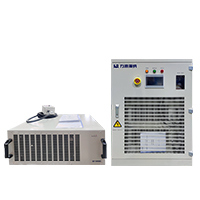

Key factors include:
- Output voltage and current range
The rectifier should match the required voltage and current of the electroplating bath and allow stable adjustment during operation. Choosing the right rectifier for electroplating ensures consistent performance. - Ripple control
Low ripple helps maintain a stable DC output and reduces the risk of uneven metal deposition on plated surfaces. A reliable plating rectifier will minimize ripple and improve coating quality. - Power efficiency
Higher efficiency helps reduce energy consumption, especially in plating lines that run for long production hours. An efficient rectifier for electroplating also ensures more stable operation. - Cooling system
Adequate cooling is necessary because plating rectifiers usually operate at high current. Air cooling or water cooling is commonly used to keep the rectifier for electroplating running in stable condition. - Control and automation compatibility
Compatibility with digital control or PLC systems makes it easier to monitor and adjust plating parameters. Integrating a plating rectifier with automation ensures consistent production results.
Matching these parameters with the plating process helps achieve stable production and high coating quality when using a rectifier for electroplating.